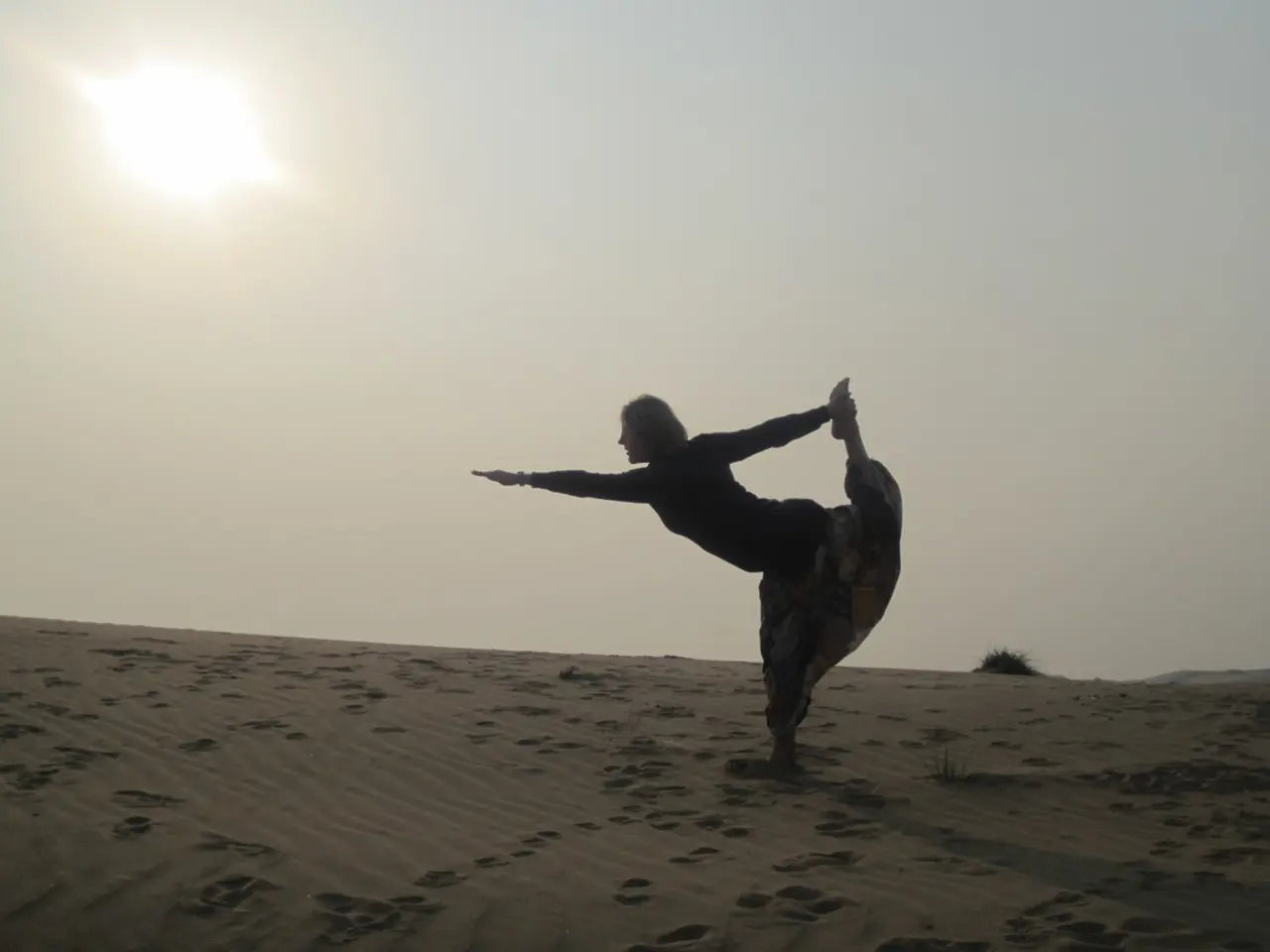
Daily Life Navigation through Historical Yoga Practices
==================================================================
Incorporating ancient yogic daily rituals into modern life can bring greater calm and balance. These simple, consistent practices engage body, breath, and mind with mindful intention.
Creating a Sacred Space
Start by creating a small daily altar or sacred space at home. This could include a yantra image, flower, or candle. Sit quietly before it at the beginning and end of each day, offering a short mantra or silent gratitude to ground your awareness and cultivate peace.
Morning Yoga and Breathwork
Practice gentle yoga postures (asanas) and breathing exercises (pranayama) each morning to awaken and align your energy. Techniques like deep diaphragmatic breathing restore natural breath patterns disrupted by stress, improving emotional regulation and mental clarity.
Hand Mudras and Mindfulness
Use hand mudras such as Gyan Mudra during meditation or moments of stress. These can be done anywhere to trigger relaxation and enhance focus.
Ayurvedic Daily Routine
Follow ancient Ayurvedic concepts of Dinacharya by establishing a stable daily schedule, including waking and sleeping at consistent times, mindful hygiene (tongue scraping, self-massage with warm oil), and mindful eating rituals without distractions to reset body and mind rhythms.
Connecting with Nature
Integrate nature into your practice by meditating outdoors or visualizing nature mandalas, which deepens presence and dissolves boundaries between inner calm and the external world.
These practices are adaptable, simple, and non-time-consuming, yet profoundly affect nervous system balance and mental well-being. By treating these acts not as chores but as sacred rituals, you create a daily container that encourages calm, mindfulness, and energy balance amidst modern life’s pace.
Midday Renewal
Calming breathwork can be done at midday to reconnect and release stress. Some practitioners suggest that this first part of the day is meant to be pure, simple, and soulful, and can include meditation or gentle movement like Sun Salutations. Chanting a mantra like "So Hum" can bring peace, perspective, and renewal in the middle of a hectic day.
Transition from Day to Night
A short meditation, drishti, or offering thanks for the day can be done at sunset. Lighting a small lamp or candle at sunset can calm the mind and ease into peace. The practice of Yoga Nidra, a guided yogic sleep, can help release day's fatigue and ease into sleep.
Preparing for Rest
Cessation of fluctuations of the mind is the root of happiness. Ancient yogic texts view cleansing habits as good hygiene but also as a way to clear away negativity and prepare us for a new day. The yogic ritual of Saucha involves purification, including washing hands, face, and feet, and cleaning the nasal passages, as a way to clear away negativity and prepare for a new day.
Diet and Surroundings
Sattvik Eating, a key part of yoga's daily rituals, emphasizes eating in a simple, light, and holistic way, viewing food as prana or life force. The practice of Saucha extends to our surroundings, with the recommendation to let in fresh air, add a small flower or piece of nature, and ensure our space is clean and orderly to create a pure, calm base.
According to Ayurveda, the food we eat directly affects our body, mind, and thoughts, and the quality of food we consume can impact our peace, stability, and clarity. A diet rich in sattva, the qualities of purity, peace, and lightness, typically includes whole grains, fresh fruit and vegetables, yogurt, and small amounts of ghee or milk.
The Bhagavad Gita and Yoga Sutras
The Yoga Sutras of Patanjali, the Hatha Yoga Pradipika, and numerous verses from the Upanishads all illuminate a path to align our lives with the universe-physically, mentally, and spiritually-through simple daily yoga rituals. The Bhagavad Gita 6.5 states that "One must lift oneself up by oneself; one must not let oneself sink. The self alone is friend or opponent to oneself."
By embracing these ancient yogic practices, we can find balance and peace in our modern lives.
- Incorporating the philosophy of yoga into modern life by adopting daily rituals such as morning yoga and breathwork, hand mudras, and Ayurvedic daily routine can improve one's health-and-wellness and mental-health.
- Creating a small altar at home or integrating nature into your practice, like meditating outdoors, deepens presence and sensations of calm and connection with the external world.
- The science of yoga suggests that techniques like deep diaphragmatic breathing and Yoga Nidra help regulate emotions and promote mental clarity, contributing to a better quality of life.
- Adopting a lifestyle that priorities mindfulness and energy balance, such as following an Ayurvedic routine and practicing sattvik eating, can lead to enhanced overall well-being and a stronger connection to the universe.
- The practices of yoga, like chanting mantras and engaging in mindfulness moments, can be integrated into daily routines to promote relaxation, focus, and improved relationships with oneself and the world around us.
- By surrounding oneself with a clean, orderly, and natural environment and aligning one's diet with the principles of sattva, one can create a home-and-garden that fosters a sense of peace, stability, and clarity.