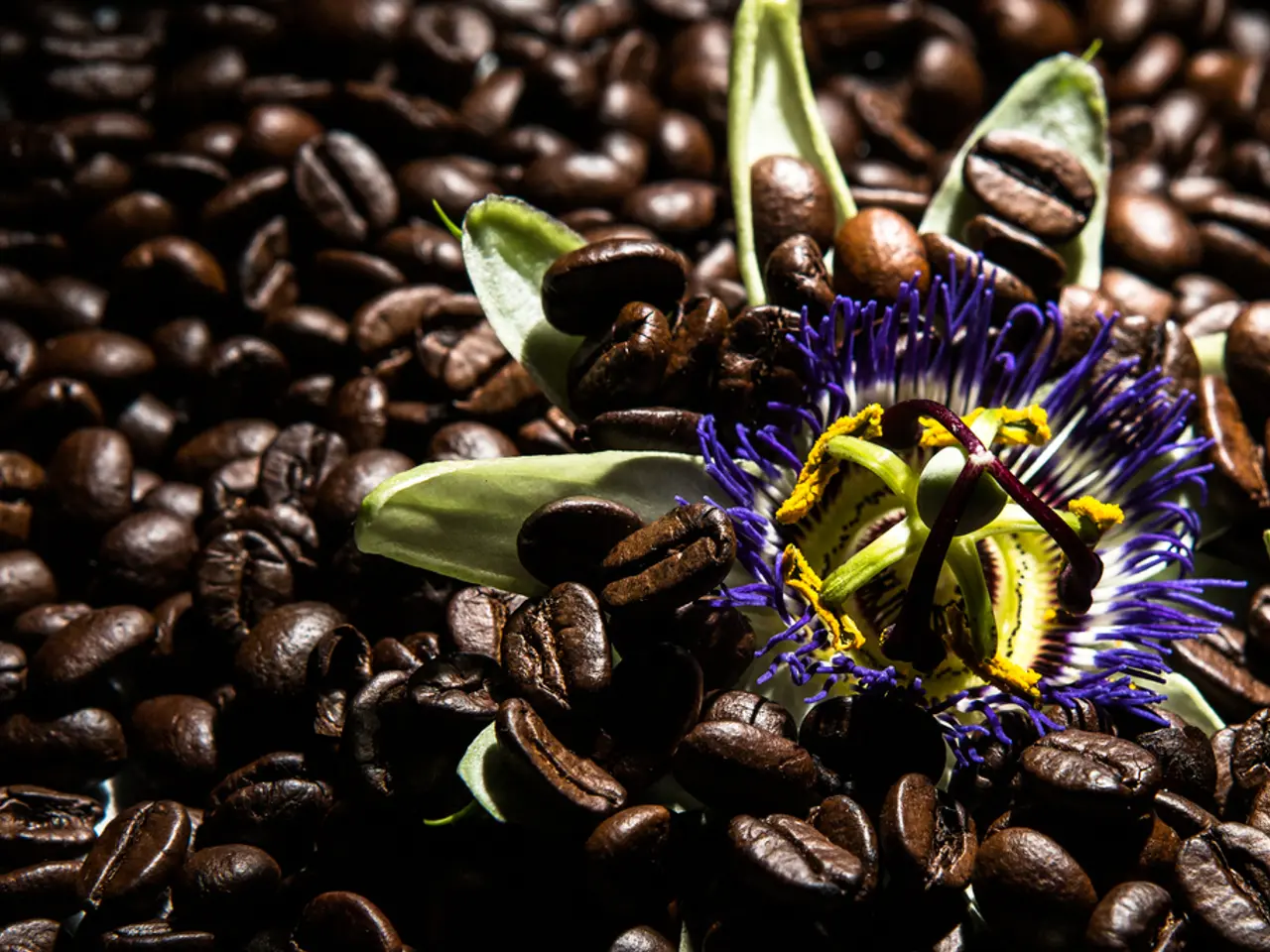
Exploring various applications for spent coffee grounds
Beyond their well-known use as gardening fertilizer, coffee grounds have a surprising array of applications that extend to construction, pest control, and household odor management. Here are some of the most intriguing ways coffee grounds can be put to use.
1. Concrete Additive
Researchers at RMIT University have found a method to convert used coffee grounds into a carbon-rich biochar through pyrolysis. This biochar can be added to concrete, strengthening it by about 30%, while also reducing landfill waste and the environmental impact of sand extraction in construction [3].
2. Natural Pest Repellent
Used coffee grounds can repel garden pests such as slugs, helping to protect plants without chemicals [2]. For pet owners, coffee grounds may also act as a flea repellent, although it's essential to consult a vet before using them on pets, as caffeine is toxic to cats and dogs.
3. Odor Absorber and Deodorizer
Coffee grounds can absorb unpleasant odors and be used as a natural deodorizer. Placing dried grounds in a fridge can neutralize smells, and rubbing grounds on hands removes garlic or onion odors [5].
4. Skin Care
Coffee grounds can be used as a skin scrub by mixing with water, honey, or coconut oil for exfoliation. This may help reduce acne, brighten skin, and potentially reduce fine lines [1].
5. Insect Repellent
Coffee contains diterpenes, which can repel ants and potentially be an effective insect repellent for gardens [4]. Similarly, coffee may be an effective method of mosquito control, as mosquitoes are less likely to hatch if coffee is present in their environment [6].
6. Food Uses
Coffee grounds can be used to soften meat before cooking, acting as a meat tenderizer. They can also improve the nutritional value of lettuce when mixed into soil [7].
7. Cleaning Product
Due to their abrasive nature, coffee grounds can be used to scrub surfaces, utensils, or appliances with ingrained or hard-to-remove dirt [1].
8. Health Benefits
Coffee is rich in phenols, which help fight free radicals that can harm the skin [1]. It may also reduce the risk of type 2 diabetes and provide antioxidants [8]. However, excessive consumption can lead to insomnia, anxiety, fast heart rate, nausea, headache, stomach problems, and potentially increased risk of heart attack [9]. The Institute for Scientific Information on Coffee recommends consuming no more than 400 milligrams of caffeine per day, equivalent to four to five cups of coffee [10].
9. Caffeic Acid Benefits
Caffeic acid, an antioxidant present in coffee, may reduce premature cell aging and boost collagen levels, according to a 2013 study [11].
10. Coffee as a Dye
Coffee grounds can be used as a natural dye for fabrics, potentially on a commercial scale, as suggested by a 2019 study [12].
These diverse uses of coffee grounds highlight their potential as a valuable resource in various aspects of life, from construction to household chores and skin care.
1. Skin Care Aroma Enhancement: Incorporating coffee grounds into homemade skincare products can not only provide exfoliating benefits but also add a pleasant aroma, enhancing the overall sensory experience of the product.
2. Home-and-Garden Decor: Dried coffee grounds can serve as an eco-friendly and cost-effective substitute for potting soil for small plants, adding a subtle coffee scent to your home-and-garden decor.
3. Food-and-Drink Brewing Aid: By soaking coffee grounds in alcohol, you can create a coffee-infused liquor that can be used in various food-and-drink recipes for an added caffeine kick.