Home boiler malfunction potentially elevating indoor temperatures during summer - Discover the 'single modification that considerably impacts your cooling expenses'
In the sweltering heat of a summer heatwave, keeping your home cool and comfortable can be a challenge. Here are some practical tips from HVAC experts to help you reduce home heat and lower your energy bills during this period.
Firstly, adjusting your water temperature is crucial. Lower your boiler or water heater temperature to around 120 to 130°F, as higher temperatures are unnecessary in summer and can add unwanted heat to your home[1]. If your system supports a warm weather shutdown or summer mode, activate it, or manually adjust the temperature down[1]. Additionally, insulating hot water pipes with foam sleeves can prevent heat from radiating into living spaces, helping keep your home cooler[1].
For your HVAC system, raising your air conditioner thermostat setting by 7–10°F when you are not home can help reduce cooling costs[2][4]. Regular maintenance and replacing air filters frequently are also essential to maintain system efficiency and avoid overheating or strain[2][4].
Using fans can be an effective way to circulate air. Ceiling fans set to rotate counterclockwise can push cool air downward, helping to cool your home[2][4][5]. Tabletop fans, oscillating table fans, and tower fans with various features like 90° oscillation, touch control, and LED displays are available to provide powerful personal cooling and quiet operation[6].
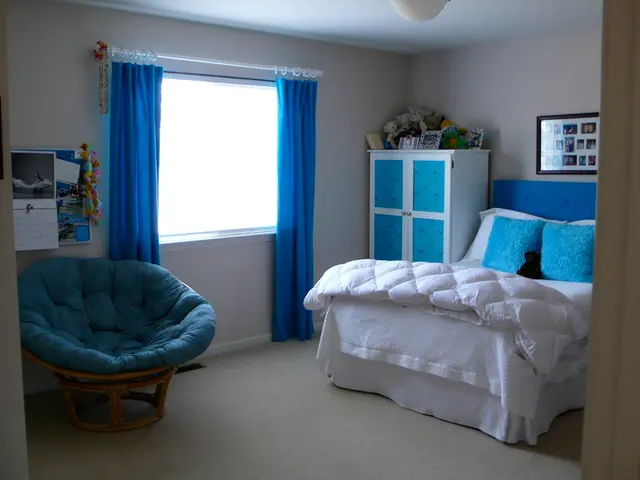
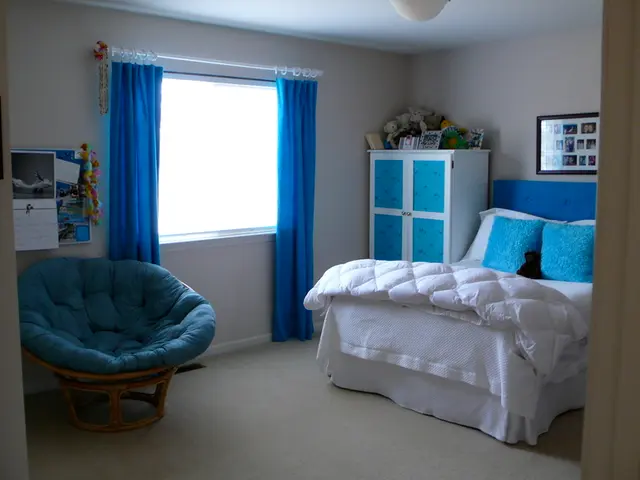
Solar heat gain through windows can be minimised by keeping curtains and blinds closed during the hottest part of the day. This simple trick can block solar heat and help regulate your home's temperature[3][4][5].
Sealing leaks and insulating your home properly can prevent heat infiltration and improve cooling efficiency[4]. Strategic use of curtains is another expert trick to help regulate a home's temperature during a heatwave.
Running heat-generating appliances (like ovens and washers) during cooler morning/evening hours and using cooler water settings for laundry can lessen internal heat[5].
Consider using home temperature monitoring devices to track room temperatures and act accordingly[3]. The Watts LF70A-F Hot Water Extender Mixing Valve is a good option for regulating hot water in an indirect water heater[7]. Insulation tape is also available to prevent pipes from freezing in colder weather.
By addressing both direct heat sources (water heater, appliances) and the efficiency of your cooling system, these combined steps can help reduce overall heat buildup and energy consumption during heat waves. They align with expert advice from home energy specialists and utility companies for summer energy savings[1][2][3][4][5].
[1] Energy.gov - Summer Energy Saving Tips [2] EnergyStar.gov - Energy Saving Tips for Air Conditioning [3] ConsumerReports.org - How to Save Energy in the Summer [4] EPA.gov - Energy Star Tips for Home Air Conditioning [5] AllRecipes.com - Energy-Saving Cooking Tips for Summer [6] HomeDepot.com - Tower Fans, Oscillating Table Fans, and Tabletop Fans [7] Watts Water Technologies - LF70A-F Hot Water Extender Mixing Valve
Incorporating home-and-garden adjustments can further aid in keeping your home cool during a heatwave. For instance, insulating hot water pipes with foam sleeves can prevent heat from radiating into living spaces, helping keep your home cooler. [from the text]
** Strategic use of curtains** is another expert tip to help regulate a home's temperature during a heatwave. [new idea, based on the text's mention of sealing leaks and insulating the home, and the suggestion to keep curtains closed during the hottest part of the day]