Is Organic Linen Necessary?
In the world of textiles, organic linen stands out as a high-quality and environmentally friendly choice. Our website's Scandi-style duvet covers, for instance, are crafted from 100% organic linen, taking full advantage of the natural properties of flax.
Why Organic Linen is a Sustainable Choice
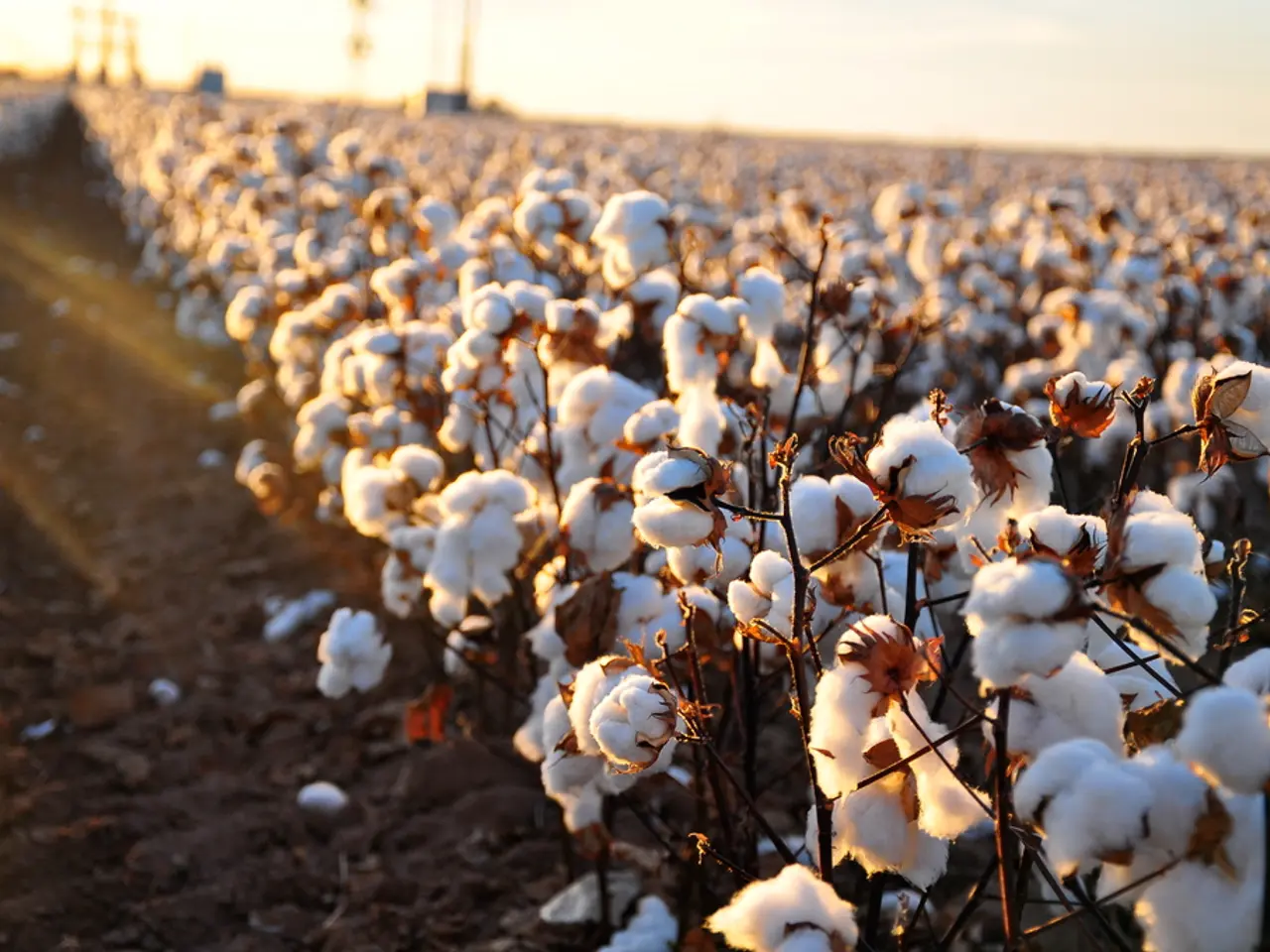
Organic linen offers numerous benefits for both consumers and the environment. It is produced without synthetic pesticides, fertilizers, or genetically modified seeds, which helps maintain soil health and reduces pollution. Compared to cotton, flax requires far less water and natural resources, making it a more sustainable choice.
The retting process for organic linen is also more environmentally friendly. Unlike non-organic linen, which speeds up retting by soaking the stems in an acid or alkali, organic linen allows the process to take place naturally over a few weeks using rainwater.
Health Benefits of Organic Linen
Organic linen is free from toxic chemicals like formaldehyde or synthetic dyes often used in conventional textiles, which benefits both the environment and your skin, especially for those with sensitivities or allergies. Linen is also naturally biodegradable and highly durable, lasting longer than many fabrics, which reduces waste and consumption over time.
Moreover, organic linen maintains strength while becoming softer with use, offering unmatched comfort and hygiene benefits. It is breathable, moisture-wicking, and naturally antibacterial, making it comfortable year-round.
Ethical Production of Organic Linen
Organic linen often follows stricter certification and production standards that support fair labor conditions and environmental stewardship. The Global Organic Textile Standard (GOTS) certifies products as organic, with stringent environmental and social criteria for the processing of organic fibers.
Our website's organic linen bedding is GOTS certified, free from toxic chemicals, and produced ethically at a textile mill in Guimaraes, Portugal. This means that you can rest easy knowing that your bedding is not only comfortable but also produced under ethical working conditions.
Environmental Impact of Organic Linen
Organic linen avoids the use of synthetic nitrogen fertilizers and pesticides that are associated with greenhouse gas emissions, soil degradation, and water pollution. Organic flax cultivation conserves water and maintains healthier soils compared to conventional farming.
The natural fibers and production methods contribute to a lower carbon footprint and reduce the release of harmful greenhouse gases like nitrous oxide. Biodegradability of linen fibers ensures they break down naturally without leaving pollutants in the environment.
The Advantages of Organic Linen: A Summary
Organic linen combines the advantages of a sustainable, low-impact agricultural process with the health and comfort benefits of toxin-free, durable natural fibers. Its cultivation respects ecological balance and offers long-term benefits for both the planet and the consumer.
The "flax belt" of northern Europe, spanning France, Belgium, and the Netherlands, provides ideal conditions for growing flax without the need for artificial fertilizers or irrigation. Certified European Flax is grown without artificial irrigation and does not use genetically modified organisms (GMOs).
In summary, organic linen is a sustainable, comfortable, and health-conscious choice for consumers. Its environmental benefits, combined with its durability and natural properties, make it a worthy investment for those seeking high-quality, eco-friendly bedding.
- Organic linen serves as a beneficial option for both consumers and the environment, as it's produced organically without synthetic pesticides or genetically modified seeds, aiding in soil health and reducing pollution.
- Compared to conventional textiles, organic linen boasts numerous health advantages, being free from toxic chemicals like formaldehyde or synthetic dyes, which favor skin health and cater to the needs of those with sensitivities or allergies.
- Incorporating organic linen into home-and-garden items, such as our Scandi-style duvet covers, not only contributes to a more sustainable lifestyle but also upholds ethical production standards, ensuring fair labor conditions and environmental stewardship.