Mangrove labyrinth: Ecotourism and conservation gain momentum in Negros Occidental, cultivating a unique natural ecosystem for visitors and preservation efforts.
In the heart of Sagay, Negros Occidental, lies Lapus-Lapus Macapagao - a 364.2-hectare mangrove forest that has become a haven for nature lovers and eco-tourists. The area, known for its intricate waterways and tangled roots, is a testament to the power of community-led conservation efforts.
Exploring Lapus-Lapus Macapagao
Visitors to Lapus-Lapus Macapagao can immerse themselves in various activities. Nature trails and hiking allow exploration of the lush forests, teeming with local flora and fauna. Bird watching and wildlife spotting are popular pastimes, offering glimpses into the rich biodiversity of the region.
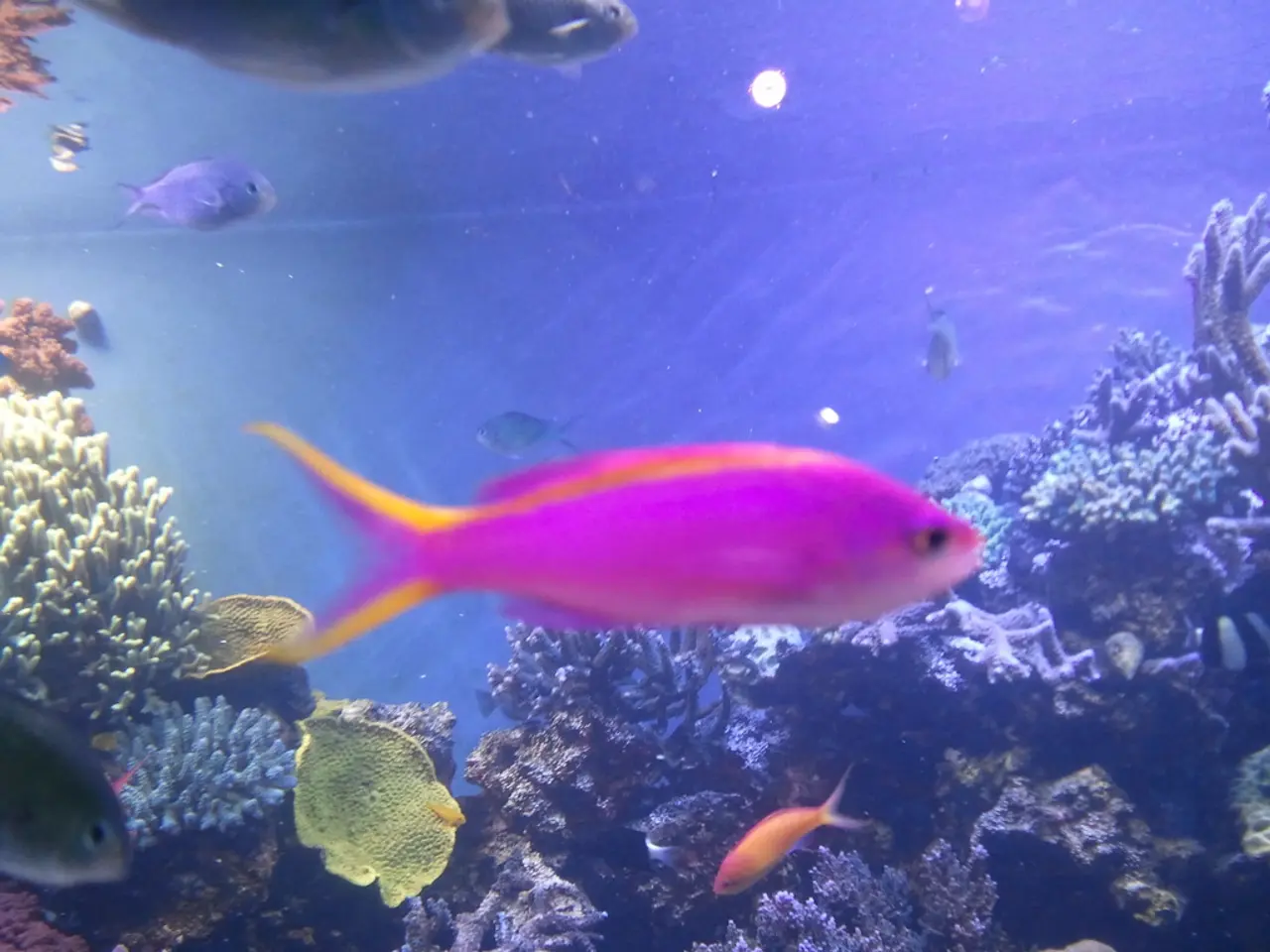
The coastal location of Lapus-Lapus Macapagao opens up opportunities for marine and coastal activities such as snorkelling, diving, and island hopping. These activities provide a chance to observe the vibrant marine life, including coral reefs and tropical fish.
Mangrove tours are another highlight, offering insights into the importance of these vital ecosystems in coastal protection and biodiversity. Visitors can also engage in community-based tourism, learning about indigenous traditions, crafts, and sustainable practices. Agritourism experiences may include visits to farms promoting organic farming and local produce.
Conserving Lapus-Lapus Macapagao
The conservation of Lapus-Lapus Macapagao is a priority for the local government and community. Establishment and management of Marine Protected Areas (MPAs) safeguard coral reefs, fish populations, and other marine life from overfishing and destructive practices.
Reforestation projects aim to restore degraded areas, enhancing wildlife habitats and preventing soil erosion. Mangrove rehabilitation efforts are ongoing, with the planting and restoration of mangrove forests to improve coastal resilience, support biodiversity, and provide nursery grounds for fish.
Environmental education programs raise awareness about the importance of conserving local ecosystems, promoting sustainable living, and educating the community on best practices for eco-tourism development. Collaboration with NGOs and government entities is essential for the successful implementation of conservation projects, biodiversity monitoring, and sustainable tourism development.
A Growing Eco-Tourism Destination
The combination of natural attractions and active community involvement in sustainable practices makes Lapus-Lapus Macapagao a growing destination for eco-tourists. The area's rich biodiversity, including nine species of mangroves, coral reefs, dense seagrass beds, and marine life such as blue swimming crabs, adds to its allure.
Sagay's commitment to environmental protection and eco-tourism has not gone unnoticed. The city's two-year-old effort to conserve Lapus-Lapus Macapagao received international support from the US-based nonprofit Seacology. Seacology's return to Sagay was due to the city's strong track record in environmental protection and eco-tourism, with a P2-million kayak center and watchtower project funded to explore the mangrove forest and support biodiversity monitoring.
With a daily visitor cap of 200, Lapus-Lapus Macapagao is carefully managing tourism to protect the area. Overnight stays and loud music are prohibited, ensuring the preservation of this unique ecosystem for future generations.
For more detailed or updated information, contacting the local tourism office or community organizations in Sagay might provide current projects and specific visitor opportunities. Lapus-Lapus Macapagao is not just a destination; it's a journey into sustainable eco-tourism and community-led conservation.
- Visitors can engage in environmental science activities at Lapus-Lapus Macapagao, learning about the importance of mangrove forests and their role in climate-change mitigation through educational programs.
- Achieving a sustainable lifestyle is a priority at Lapus-Lapus Macapagao, with home-and-garden initiatives promoting organic farming and local produce, as well as favoring eco-friendly and sustainable practices.