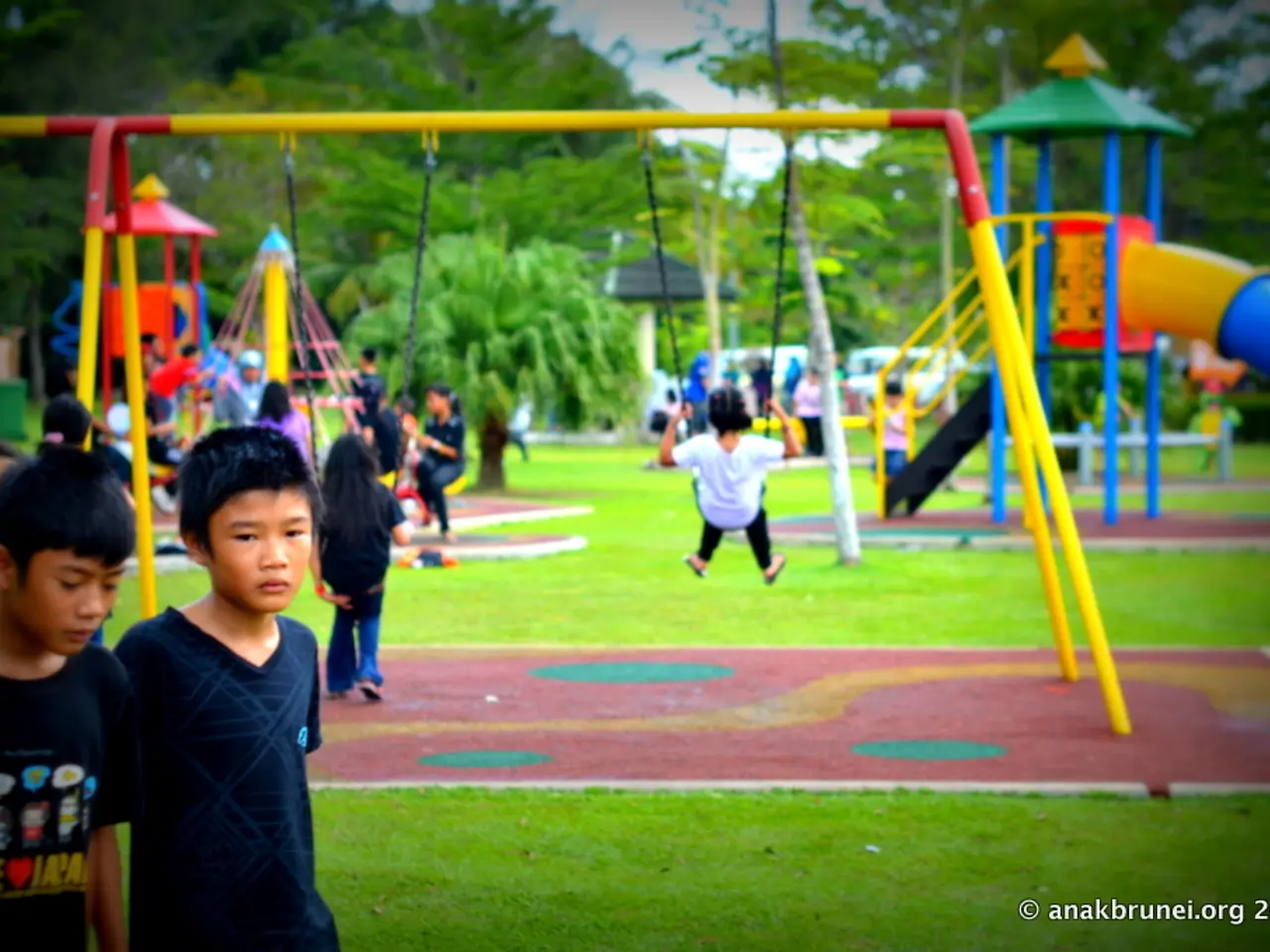
Techniques for Snapshots of Children Outside
Photographing young children outdoors can result in beautiful, natural-looking photos that serve as cherished memories. Here's a practical, step-by-step guide to help you capture these moments with ease.
## 1. Choosing the Right Time and Location
The golden hour, the early morning or late afternoon, offers soft and flattering light, reducing harsh shadows and squinting. Scenic locations like parks, forests, or beaches provide beautiful, unobtrusive backgrounds and ample ambient light. Position children so the sun is behind you or to the side, preventing direct sunlight from creating unflattering shadows on their faces.
## 2. Utilising Natural Light Creatively
If the sun is too strong, opt for open shade under trees or near buildings, where the light is soft and even. For a magical effect, try shooting with the sun behind the child, creating a lovely rim light around their hair. Be careful to avoid silhouetting—meter for the child’s face or use a reflector to bounce light onto them.
## 3. Camera Settings for Natural Light
A wide aperture (e.g., f/2.8–f/3.5) creates a soft, blurred background, keeping the focus on the child. Choose a fast shutter speed (e.g., 1/500s or faster) if the child is active, to freeze motion and avoid blur. Keep ISO as low as possible to maintain image quality, increasing it only if needed for exposure (especially in shade or late afternoon). Meter for the child’s face, not the background, to avoid underexposed subjects.
## 4. Creative Posing and Interaction
Let children play, run, or interact with each other. Capture candid moments of laughter, curiosity, or concentration for authentic expressions. Use props like balls, bubbles, or picnic blankets to keep children engaged and add visual interest. Instead of stiff poses, guide children to do something fun—jump, hold hands, or explore their surroundings. Get down to the child’s eye level for a more natural perspective and better connection with your subject.
## 5. Tips for Working with Children
Young children may not follow directions. Stay flexible and wait for natural, spontaneous moments. Use humor, games, or storytelling to elicit genuine smiles and emotions. Always ensure the environment is safe for children to move about freely.
## Example Scenarios
A beach sunset can capture the warm light and joyful interactions of a family walking along the shoreline or playing in the sand. Forest exploration allows children to run between trees, climb on logs, or hold hands for whimsical images. A picnic in the park can be relaxed and family-oriented, using a blanket, basket, and snacks as props.
By combining thoughtful lighting, engaging activities, and child-friendly posing, you can create beautiful, memorable photos that truly reflect the spirit and personality of young children. Including something in the frame that shows the child's size, such as a tall tree or doorway, can make environmental portraits more effective. Using a prime lens at a wide aperture can throw the background out of focus, focusing attention on the child's face.
Photographing your own children can be easier due to familiarity with their behavior and expressions. With these tips in mind, you're now ready to capture the magic of childhood outdoors.
A photographer can explore portrait photography in a home-and-garden setting, capturing candid moments of children playing or interacting with their surroundings. To add some black and white drama, one could try photographing children engaged in a lifestyle scenario, such as a picnic or playing games, using natural light to create striking contrasts. Additionally, a home-and-garden scene can provide opportunities to incorporate props like toys or furniture, leading to unique lifestyle and portrait photography compositions.