Unveiling "The Graffiti Chronicles": A Ukrainian Non-Governmental Organization's Efforts to Document and Conserve Everyday Medieval Life Detail
Digital Preservation of Medieval Inscriptions at St. Sophia's Cathedral
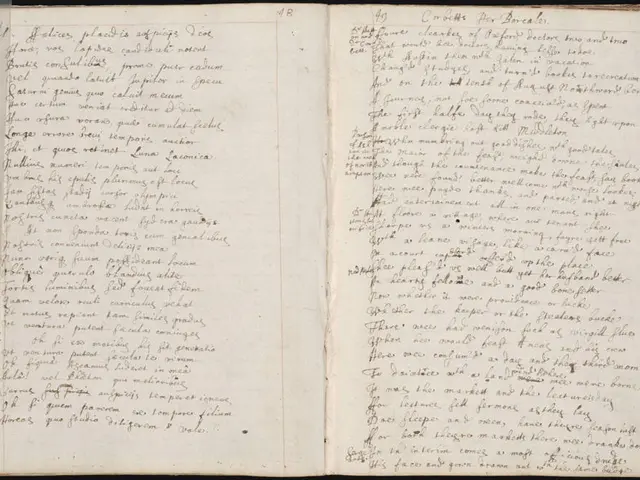
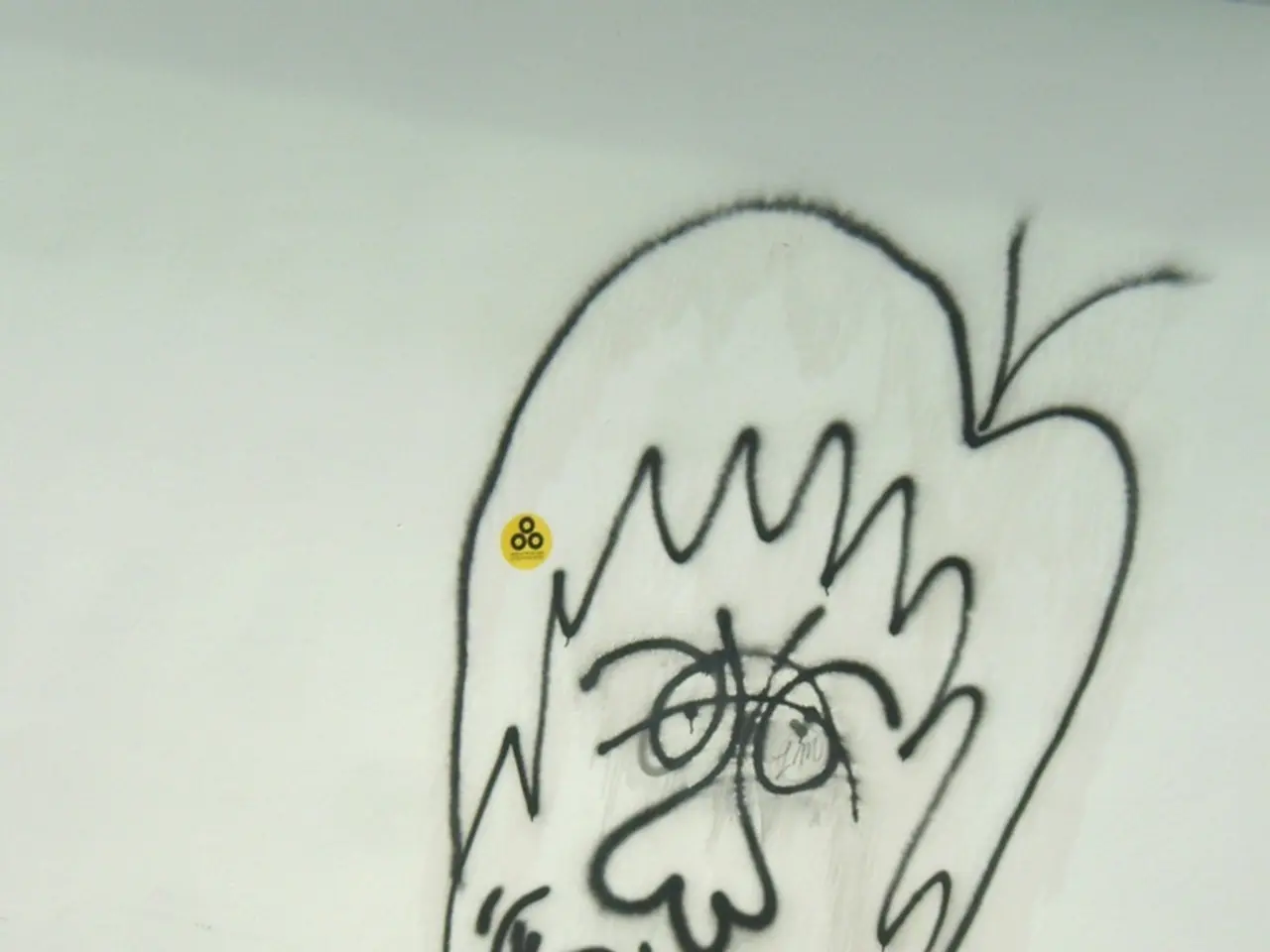
The Shadows Project, a Ukrainian non-governmental organization (NGO), has partnered with St. Sophia's Cathedral in Kyiv to digitally preserve over 7,500 medieval inscriptions on the cathedral's walls. These inscriptions, etched by ordinary people over centuries, provide a unique, invaluable archive of everyday medieval life in the Kyivan Rus era (11th century).
St. Sophia's Cathedral, one of eight UNESCO World Heritage sites in Ukraine and a crucial Christian shrine in Europe, contains not only exquisite medieval mosaics and frescoes but also these inscriptions that complement the understanding of the period by revealing the lived experiences of its people.
The Shadows Project uses digital technologies to document and safeguard this fragile, irreplaceable cultural heritage. QR codes have been installed next to the graffiti on the walls of the cathedral museum, allowing visitors to access the digital archive and additional information about the works from their phones. The digital versions of the graffiti include information about the symbols and their meaning in English.
Agatha Gorski, a spokesperson for the Shadows Project, emphasizes the importance of preserving Medieval era cultural heritage as a means to fight disinformation. She believes that the project aims to tell the stories of people and make history accessible. Gorski also highlights the significance of the Kyivan Rus period in Ukrainian history, a subject often distorted by Russian disinformation.
The ability to digitize Ukrainian history and culture has become relevant as the country is in the third year of full-scale war. Russian aggressors deliberately destroy cultural sites and loot museums during the war, stripping Ukraine of its historical memory. By digitally preserving the inscriptions, the Shadows Project seeks to emphasize the resilience of the Ukrainian people and their culture in their work.
The project aims to preserve the history of everyday people and highlight Ukrainian resilience. The inscriptions on the walls of St. Sophia's Cathedral, built in the 11th century, preserve remnants of everyday medieval life. From notes and prayers to drawings, these inscriptions offer a tangible connection to the past and a testament to the enduring spirit of the Ukrainian people.
In July of this year, a Russian drone attack on Odessa damaged UNESCO-protected landmarks. In 2024, Unesco published a list of 343 cultural sites verified to have suffered damage since the beginning of the Russian invasion. The Shadows Project's work in digitally preserving Ukraine's cultural heritage is a crucial step towards ensuring that these stories are not lost to time.
In conclusion, the Shadows Project's collaboration with St. Sophia's Cathedral helps protect and maintain access to Ukraine’s medieval cultural heritage by digitally archiving the cathedral’s inscriptions. This initiative supports the broader struggle for heritage preservation and national identity amid conflict.
- To complement the understanding of the medieval Kyivan Rus era, the Shadows Project is also delving into the digital archiving of the home-and-garden lifestyle within St. Sophia's Cathedral, as subtle signs of daily life are often etched along with the inscriptions.
- Agatha Gorski, a spokesperson for the Shadows Project, wishes to expand the project beyond the cathedral walls, aiming to preserve and share the overall lifestyle and home-and-garden practices of the medieval era, thus providing a more comprehensive insight into the lived experiences of the people during the Kyivan Rus period.