Vulnerable Oasis Gardens Require Planning Safeguards
Allotment Gardens in the Ruhr Region: A Crucial Aspect of Sustainable Urban Development
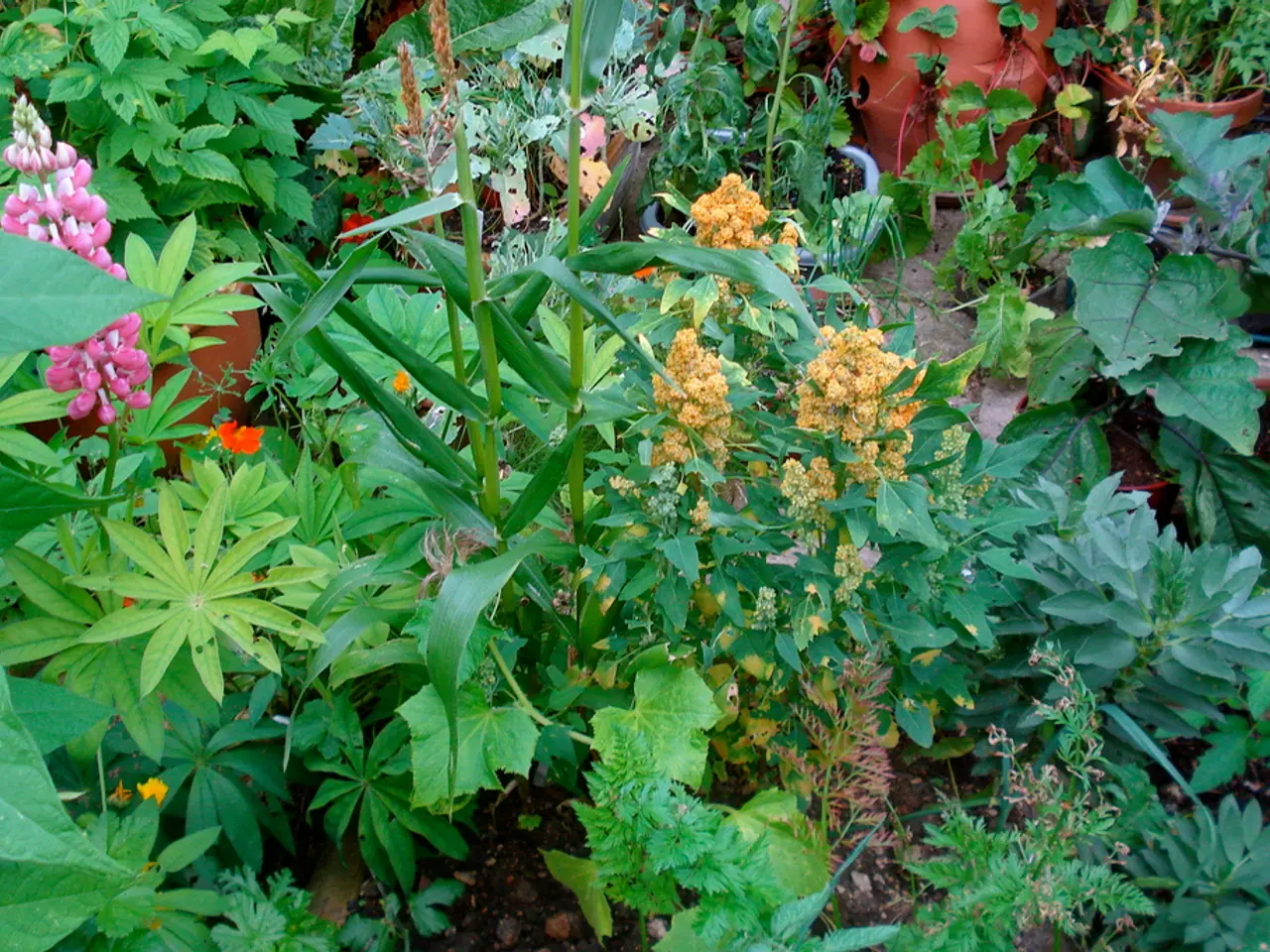
Allotment gardens in the Ruhr Region, Germany, are playing a vital role in urban planning, climate protection, and education. These green spaces, often overlooked in urban planning, provide essential habitats for insects and birds, contribute significantly to climate protection, and offer numerous benefits to the local community.
The gardens serve as urban green spaces that support biodiversity, improve air quality, offer climate regulation, and enhance residents' quality of life. They also have an educational value, serving as outdoor classrooms where people learn about nature, sustainable gardening, and local ecosystems, contributing to environmental awareness and stewardship.
The Ruhr region, with its dense urban fabric shaped by its heavy industrial past, has emphasized green infrastructure, including allotment gardens, to foster sustainability and improve urban livability. These initiatives stimulate regional debates on sustainability and climate adaptation in the area.
However, allotment gardens face several challenges. Urban pressure from development threatens their availability and size amid ongoing densification and land competition. Climate change introduces increasing difficulties by causing weather extremes that impact plant resilience and require adaptive gardening practices. Engaging younger generations to maintain and value these gardens is another educational and social challenge as urban lifestyles shift.
Despite these challenges, allotment gardens remain crucial "blue-green" infrastructures that contribute to regional climate protection and sustainable urban development. It is urgently necessary to develop or update allotment development concepts and secure qualitative and quantitative goals in their development and green planning.
Allotment associations are cooperating more with schools and kindergartens in their neighbourhoods, providing children and young people with opportunities to observe ecological processes and learn how to grow healthy fruits and vegetables. These allotment gardens and school gardens maintained by allotment gardeners serve as important extracurricular learning sites.
The ecological and educational significance of allotment gardens warrants careful consideration in urban planning. In the Ruhr Region, where the gardens are an important component of the culture, this is particularly true. Sonja Bongers, the Chair of the SPD City Council Fraction and a Member of the North Rhine-Westphalia State Parliament, emphasizes the importance of allotment gardens in the region.
In conclusion, allotment gardens in the Ruhr Region are a valuable asset, providing numerous benefits to the community, the environment, and the region's culture. Balancing their protection with urban growth and evolving social needs remains a key challenge, but with careful planning and cooperation, these green spaces can continue to thrive and contribute to sustainable urban development.
The allotment gardens in the Ruhr Region serve as vital "blue-green" infrastructures that extend beyond urban green spaces, encompassing environmental science and home-and-garden lifestyle education for residents, promoting regional climate protection and sustainable development. By collaborating with schools and kindergartens, these gardens offer unique extracurricular learning opportunities, teaching children about sustainable gardening, nature, and local ecosystems, thereby fostering environmental stewardship (environmental-science). By addressing the challenges faced by these gardens, such as urban development threats, climate change impacts, and engaging younger generations, we can ensure their continued role in urban lifestyles, contributing significantly to the sustainability and cultural fabric of the Ruhr Region (lifestyle).